What College Football's Best Coaches Can Teach Us About Culture
College football coaches are some of the best leaders in the country. Tasked with getting 100+ athletes, assistants, and staffers all rowing in the same direction with administrators, boosters, and public fanbase pressure surrounding their every move.
The role is not for the faint of heart.
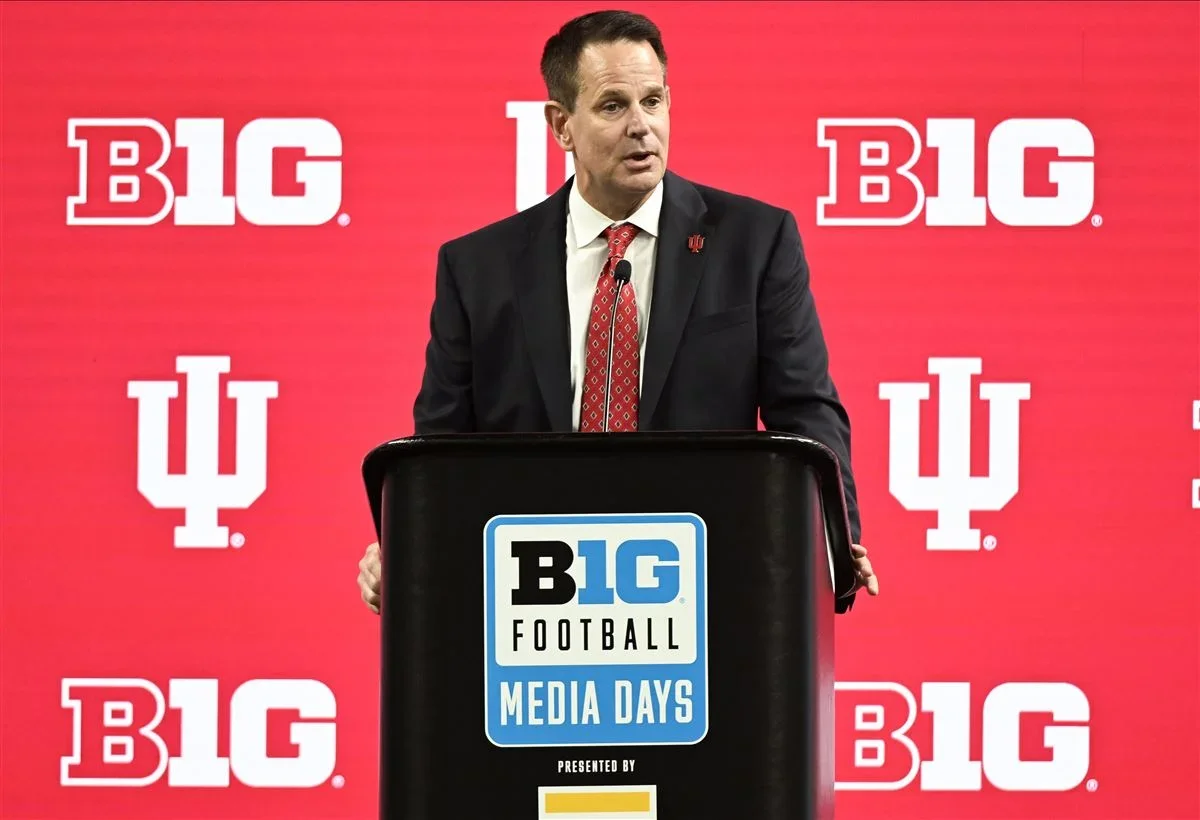
Every year before the start of fall training camp, coaches gather for conference media days. Before taking questions from reporters, coaches from some of the top programs in the country give remarks about where they see their team, the progress being made, and what they’re looking forward to.
Some may roll their eyes at these remarks and press conferences, and call it “coach speak” but for years I’ve paid close attention to conference media days and how some of the best in the country communicate on culture, leadership and the pursuit of high performance.
I listened to every press conference and interview from the 2026 Big Ten and SEC media days. This year’s soundbites painted a clear picture of two of the hardest parts of developing elite cultures.
Fight for Alignment
Fight Against Drift at All Costs
“I know a lot of people talk about alignment, but we truly are aligned.” - Steve Sarkisian (Texas HC)
Alignment was the buzzword for many coaches this year. Ironically, the coaches I heard use the term the most, were the coaches who are either on the hot seat, rising up the ranks, or awaiting their breakout year in which they finally get over the hump to live up to top expectations.
USC head football coach, Lincoln Riley, in year five at the helm said “Our alignment is as strong as it’s ever been..”
Rutgers, known for traditionally being at the bottom of the Big Ten Conference, head football coach, Greg Schiano had this to say, “Vertical alignment, to me, isn’t a slogan. Vertical alignment is when you have a president, a board chair an AD, and a head coach who look at winning the same way.”
South Carolina head coach Shane Beamer’s take on alignment down south, “We have great leadership. Great alignment.”
National title contender Texas led by Steve Sarkisian had this to say, “I know a lot of people talk about alignment, but we truly are aligned.”
So what actually is alignment? Is it merely a buzzword said by underperforming teams and coaches? Or is it the key ingredient for a group to achieve their full potential?
Greg Schiano and Steve Sarkisian explain alignment as some sense of institutional support. Where the athletic director, president, board of trustees support the program with necessary resources to be competitive.
Lincoln Riley echoed the sense of resources as evidence of alignment idea by mentioning support through recruiting staffers, staff retention initiatives, leadership stability and organizational momentum.
I would define alignment as shared purpose. While culture is the buzzword for business coaches and consultants, anyone who has actually led knows that purpose precedes culture.
Shared purpose.
Shared priorities.
Shared process.
But purpose will always be the lead domino. Lose a shared purpose and the culture will inevitably crack.
It’s not to pick on USC, Rutgers, South Carolina, or Texas, but if you follow the sport you will recognize those schools have not been at the top. Lincoln Riley is on the hot seat in his 5th year at the helm. Rutgers never contends at a conference or national level. South Carolina went 1-7 in SEC play last year. And Texas missed the playoffs after a 10-3 season last year, and has still not returned to the top of the mountain since winning the national championship 20 years ago.
This isn’t to say they each have poor cultures - we all know that the margins are so thin at the highest levels of competition and even elite cultures can be bested by other alpha programs.
But after listening to every press conference at media days, I noticed a trend. Emerging cultures seem to be searching for alignment. Established cultures seem to be fighting a different battle altogether - avoiding drift.
“You’ve got to have the right people in place. A process and people in place. I feel very strongly about that. I’ll always be stalking complacency, but I like what I’ve seen so far.” - Curt Cignetti (Indiana HC)
While I have heard Ohio State coach Ryan Day mention alignment in past media days’ this year it was absent. It was also absent from Georgia Bulldogs head coach Kirby Smart’s press conference and defending national champion, Indiana Hoosiers head coach, Curt Cignetti’s press conference.
Does this mean alignment doesn’t matter? Of course not. I think it proves alignment will always be step one on the rigorous journey to the top. But once alignment is established the challenge is far from over, in fact, the real work of contending for greatness has probably just begun.
Every experienced leader knows that cultures drift. They never stay stagnant.
Yearly vision summits are helpful. Offsite team retreats are great (even the ones with the cliche post-it note exercises). But the real work of building culture doesn’t happen at the kickoff summit, or the offsite retreat, it happens every day in the monotony of mastery.
It happens in the hallways, the meeting rooms, the repetitive schedules. And little by little, the great threat to collective potential can take root and a team’s culture can slowly, and very subtly drift away.
Drift is the force that pulls our attention away from our intention. It derails alignment. It limits both emerging and established cultures, unless of course the leader stalks it out.
2x National Champion Kirby Smart had this to say at media days, “We’re always trying to grow in our program. We never want to stay the same.”
2024 champion, Ryan Day “When you’re chasing small margins like we are, you have to identify things that need to get fixed and fix them.”
Defending national champion, Curt Cignetti, “You’ve got to have the right people in place. A process and people in place. I feel very strongly about that. I’ll always be stalking complacency, but I like what I’ve seen so far.”
No mention of alignment. Maybe because we can assume it’s already there? Tough to say. It doesn't seem like the focal point for the top programs on the food chain.
Instead, finding the small edges is. Evolving and pursuing growth, even when success has already been established as the norm. Commitment to a great process and the right people in place.
What good is alignment if it contains complacency within the ranks? What value are small edges if a group lacks a shared purpose?
Elite cultures have both. Alignment and the relentless eradication of drift.
Which one does your culture need for you to fight for right now?
If you, the leader, don’t fight for it, who will?